Mountain Training Network
Our work.
Our principles.
Wilderness medicine education built on collaboration, continual learning, and responsibility to the patients our students may care for.
The people and purpose behind MTN
Collaboration · Progress · Patient careAbout MTN
01 · Collaboration
We are stronger together.
Mountain Training Network develops wilderness medicine curricula, educational resources, and practical training for people who work, lead, and explore where medical help may be delayed. Our work is grounded in a commitment to better education, stronger collaboration, and clear standards.
We believe wilderness medicine moves forward when schools, instructors, and responding agencies communicate openly and learn from one another. Shared knowledge, constructive feedback, and collaboration across organizations help us examine our assumptions and improve what we teach. We want that same spirit reflected in the field, where guides, land managers, search and rescue teams, fire personnel, and EMS may need to work together.
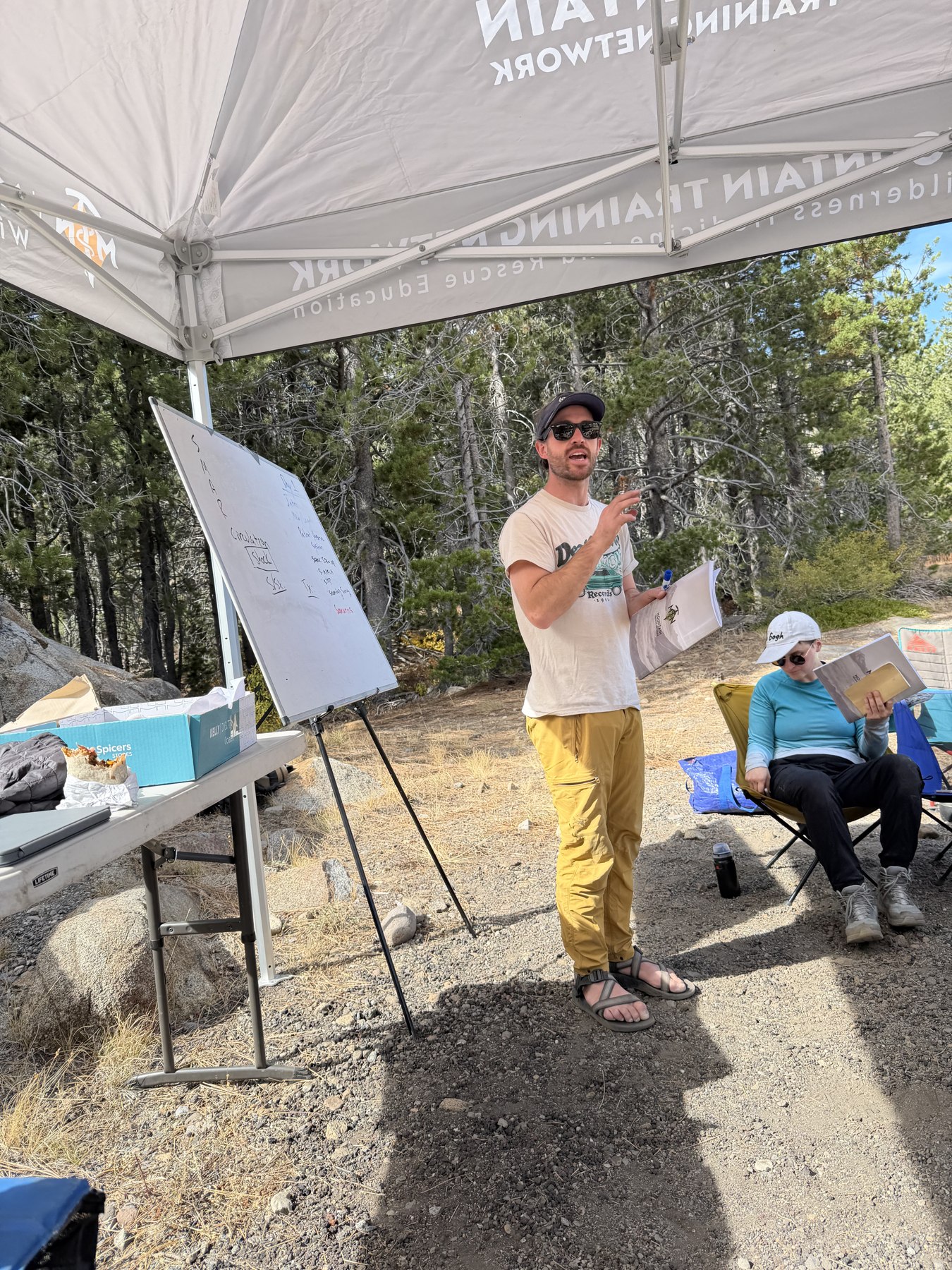
Through MTN’s instructor network, we share educational resources, support instructor development, and collaborate with training organizations and field professionals. Our expert contributors include emergency department physicians, fire chiefs, and U.S. Army medical instructors, bringing perspectives from clinical care, emergency leadership, and medical education.
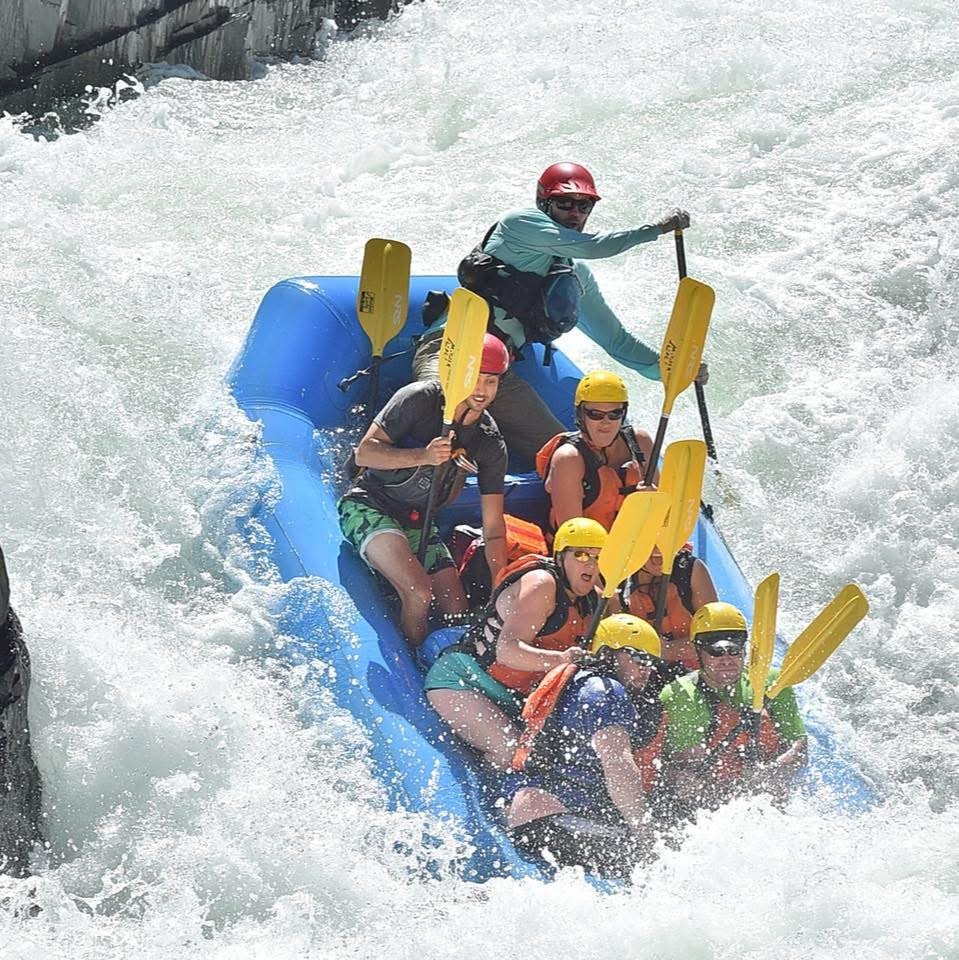
Collaboration also shapes our specialized training. Vertical Medicine connects wilderness patient care with improvised climbing rescue. We also collaborate with Tracks of Her Own to offer courses for women, taught by women. Custom programs give teams opportunities to practice within the environments and responsibilities they know.


02 · Progress
Dogma is the enemy of progress.
At MTN, we are driven by a ruthless pursuit of the best possible medical guidance, the most effective teaching methods, and the highest quality patient care outcomes in the field. That means questioning assumptions, welcoming scrutiny, and changing what we teach and how we teach it when evidence and experience point to a better approach.
Our Wilderness First Aid and Wilderness First Responder curricula draw on Wilderness Medical Society guidance and align with Wilderness Medicine Education Collaborative certification standards. We use shared knowledge, constructive feedback, and scrutiny to keep examining our assumptions and improving our educational resources.

03 · Responsibility
Patients deserve our best.
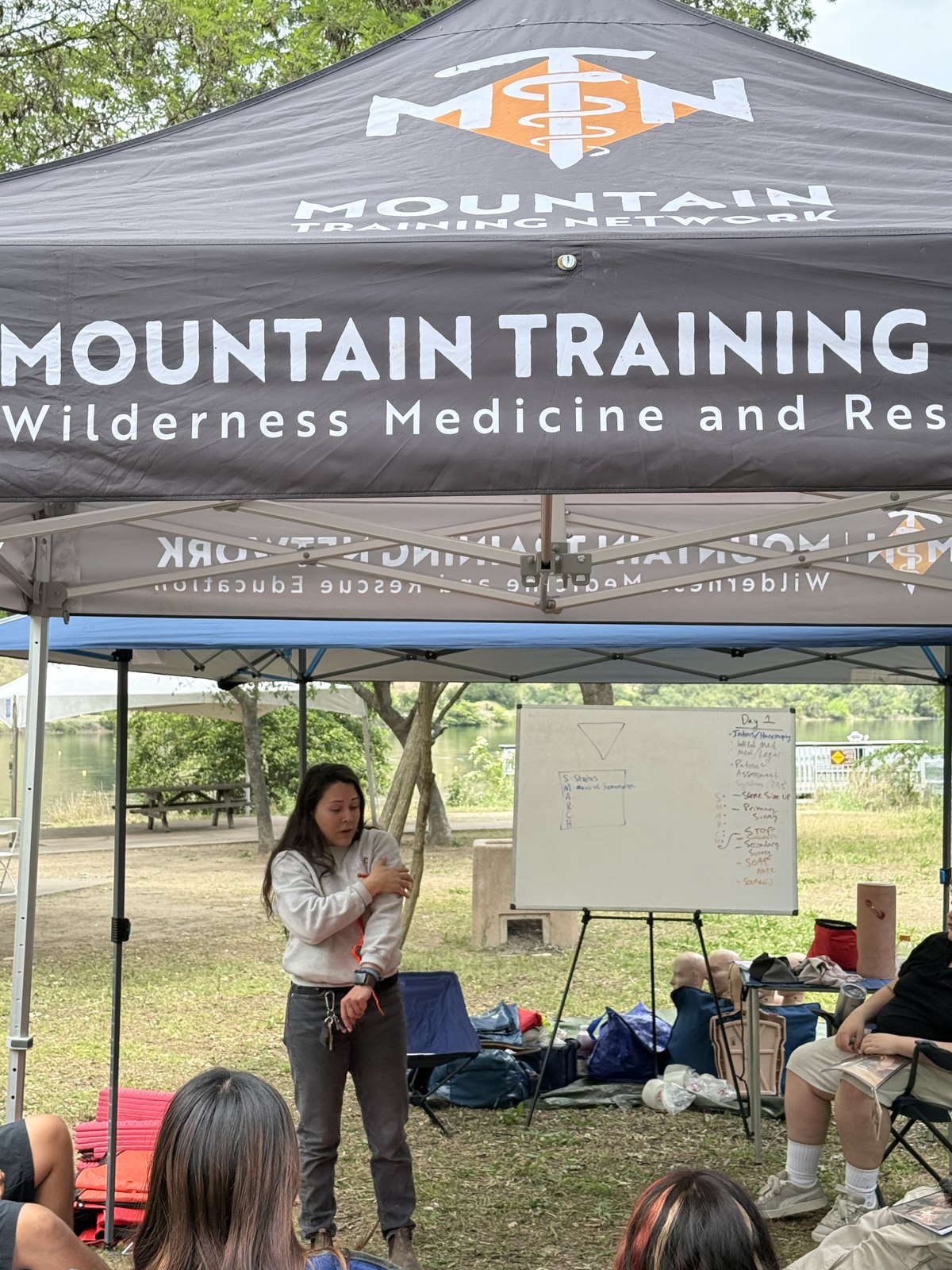
Students deserve qualified instructors, clear learning objectives, meaningful practice, and honest assessment. The responsibility also extends to the patients they may eventually care for. We advocate for clearly stated, consistently applied expectations for wilderness medicine education, with attention to instructor preparation, curriculum quality, practical competence, and communication.
Curriculum development is central to that responsibility. We create textbooks, field guides, instructor manuals, lesson plans, scenarios, and assessments to support clear instruction, meaningful practice, and honest evaluation.
That commitment continues after a course ends through the MTN Field Guide, our free educational companion with offline references, assessment prompts, practice activities, and field tools. Its core content works without an account or internet connection, keeping useful resources accessible when students want to review, practice, or prepare.
We want MTN to contribute to a wilderness medicine community that exchanges knowledge, welcomes scrutiny, and keeps improving. Students—and the patients who may depend on them—deserve that commitment.

The founderAbout Ryan Armstrong
I’m Ryan Armstrong, the founder of the Mountain Training Network. I teach people to care for others when help may be hours away.
My path here has included work as a guide, outdoor educator, volunteer ranger, facilitator, EMT, and emergency department technician. I’ve led trips in Yosemite, guided rivers, taught environmental science, and helped people work through unfamiliar challenges. I’m an American Canoe Association Level 5 Advanced Swiftwater Rescue Instructor. My ADHD apparently interpreted “choose a path” as “explore the entire trail system.”
Those experiences, along with my degree in recreation administration, shaped how I teach. People bring different experiences, ask different questions, and need opportunities to make sense of a skill through practice. I want my classes to give them room to do that.
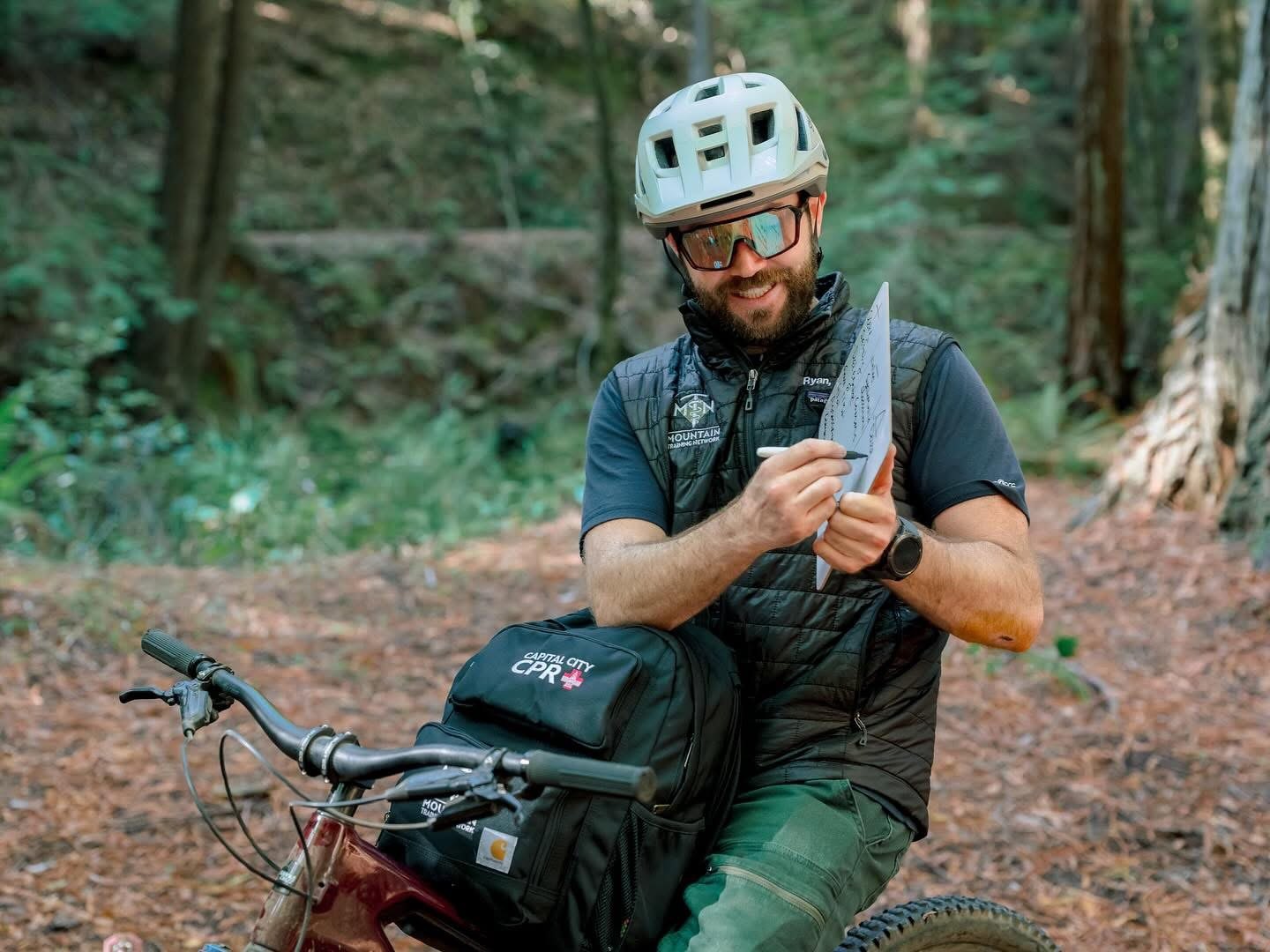
My medical background combines patient-care experience with extensive additional college coursework in anatomy, physiology, microbiology, chemistry, and pharmacology. I also completed a month-long medical language immersion program in Oaxaca, Mexico, broadening my perspective on communication in healthcare.
I teach continuing education for EMTs and paramedics.
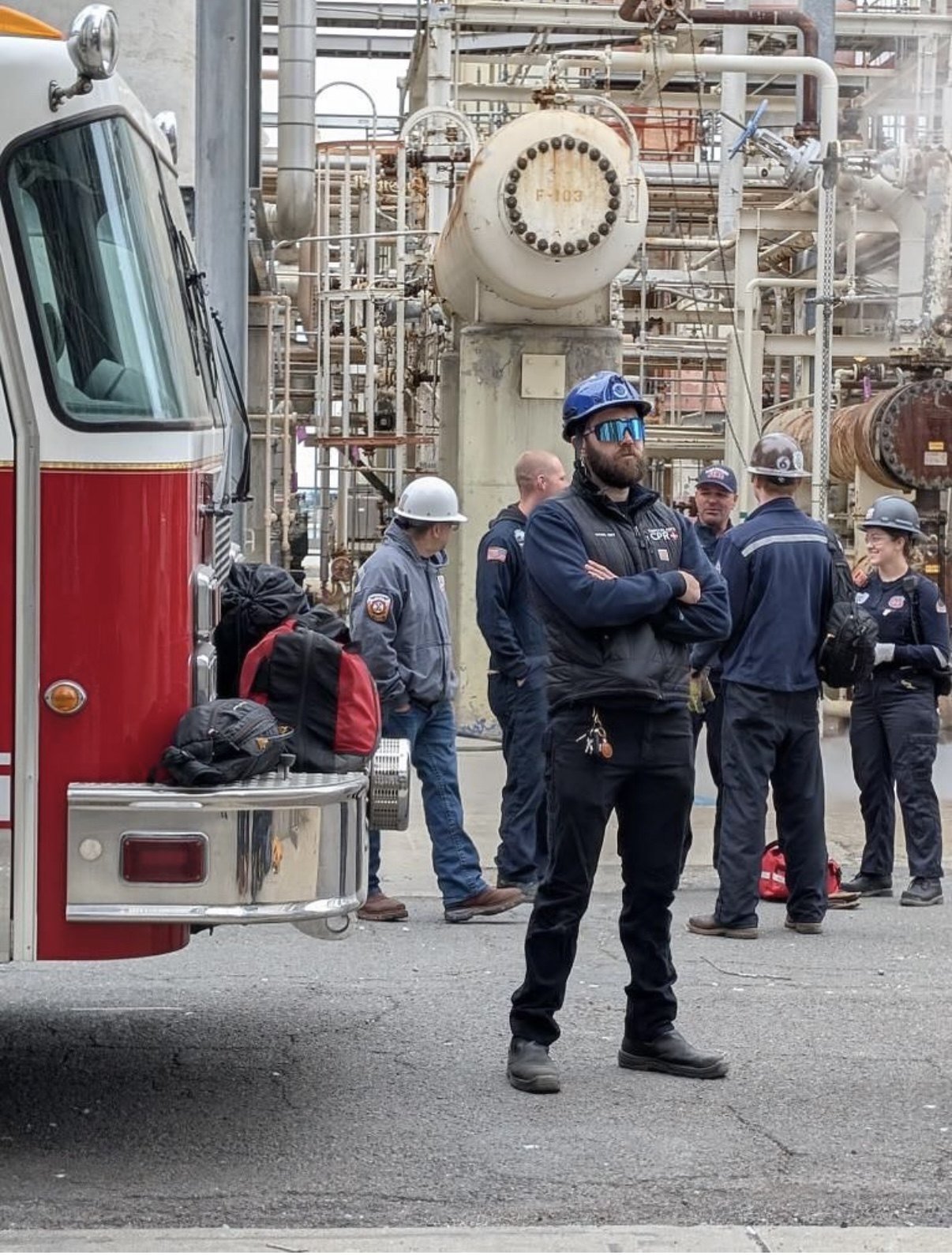
I bring that science and experience into the classroom by helping students understand what’s happening in the body, why a particular approach makes sense, and how to adapt their thinking as a situation changes. We practice skills, work through scenarios, explain our decisions, and learn from feedback. Questions and mistakes are part of that process.
At MTN, I lead curriculum development, write textbooks and instructor resources, and collaborate with our expert contributor team. I’ve also helped create specialized courses such as Vertical Medicine, which brings wilderness patient care and improvised climbing rescue into the same training experience.
I care about what students have access to afterward. The free, offline MTN Field Guide gives them somewhere to return when they want to review a concept, practice an assessment, or prepare for their next trip. Useful education should stay within reach.
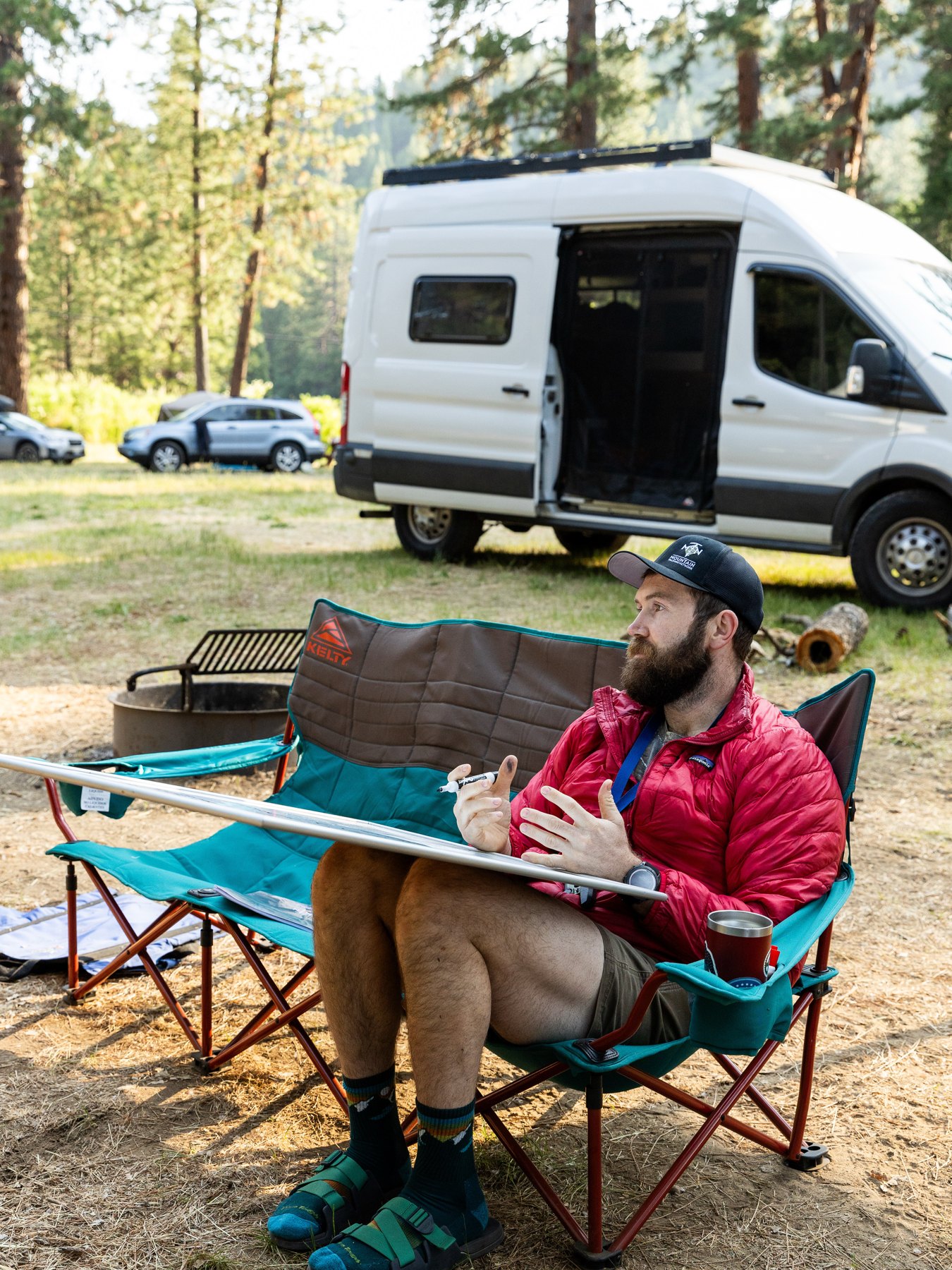
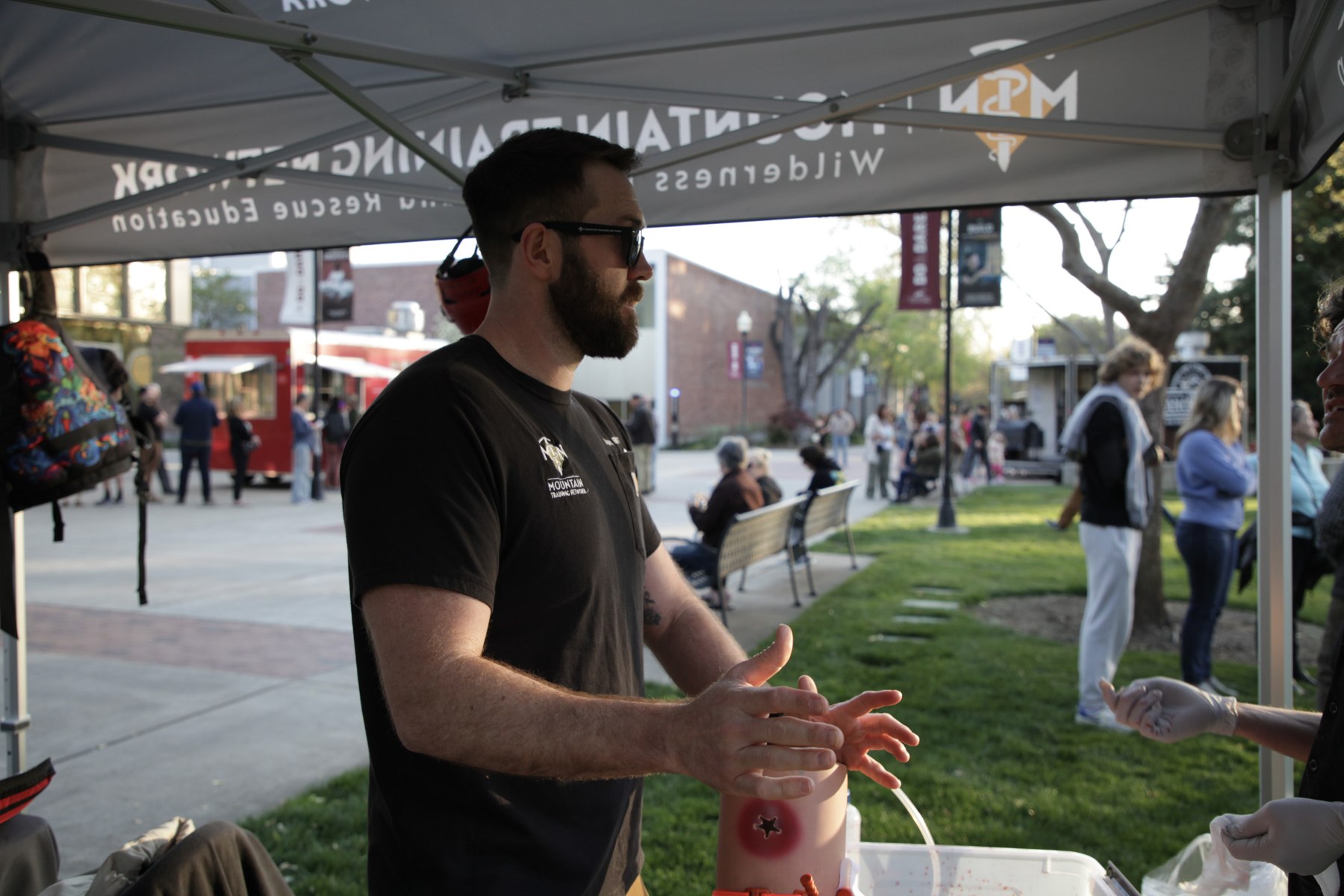
Through Capital City CPR, I also teach workplace first aid, CPR/AED, and bleeding control, including customized training for logging crews, refinery teams, and other workplaces. Free community STOP THE BLEED courses and collaborative efforts such as CPR-A-THON are another way we help more people get prepared.
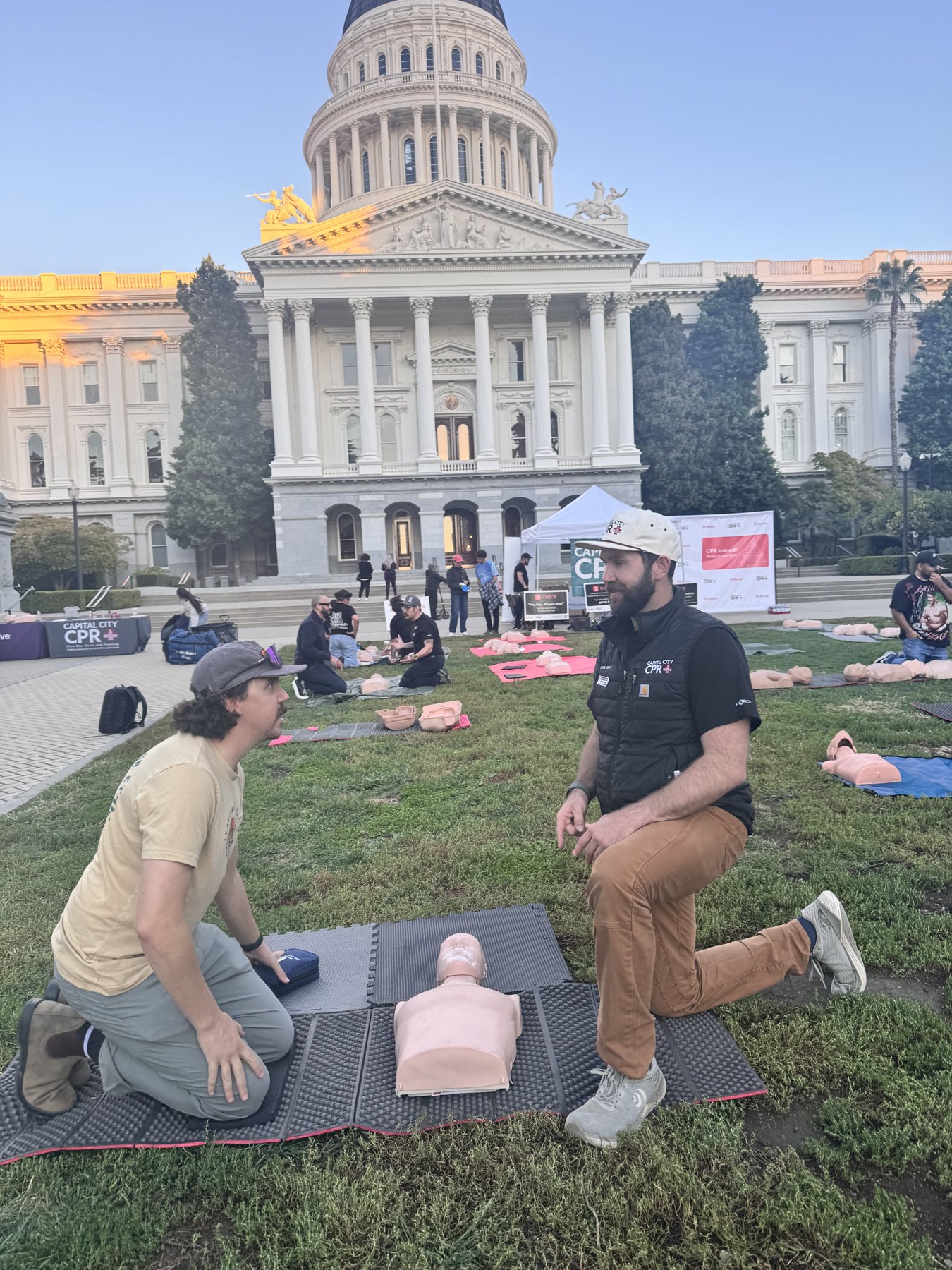
I care about where wilderness medicine education goes from here. I want more communication between schools, more collaboration across agencies, and clear expectations for the people teaching and issuing certifications. I believe we have a responsibility to share what we know, examine what we could do better, and help one another improve. That responsibility reaches beyond our classrooms to the students we teach, the teams they work with, and the patients who may one day depend on them.