
MTN × Vertical Pursuits · Vertical Medicine
Become the partner you’d want beside you.
Wilderness medicine and improvised partner rescue, taught together on the wall. Built for climbers who want to be ready when their partner needs them.
3 days · 24 hours · Baseline climbing skills required
 The people on your rope team matter
The gap we built this course to fill
A climbing emergency is a medical problem and a rescue problem.
You can know your rope systems and still struggle to assess an injured partner. You can understand patient care and still struggle to reach them on a loaded rope.
Ryan Armstrong and Erik Griffith created Vertical Medicine to connect those skills. Learn them together, then practice making them work together in the terrain where you climb.
The question that runs through the course: What does your partner need—and how do you make that possible here?
One emergency. Changing constraints.
Reach them. Assess the priorities.
Practice combining patient assessment with the realities of exposure, limited access, and loaded climbing systems. Consider what care is possible while your partner is still suspended.
Reassess. Build the next plan.
Explore how a change in position changes your options for patient care. Reassess the injury, the available equipment, and the route ahead as the rescue develops.
Continue care. Coordinate help.
Bring wilderness patient care, evacuation decisions, communication with emergency responders, and patient handoff into the same scenario.
These are learning settings. The course teaches judgment about when and how to move.
Build the foundation. Put it to work.
Three days that
change how you prepare.
Short lessons. Practical skills. Realistic scenarios. A full medical foundation before the on-wall rescue day.
Days 01 + 02 · 16 hours
Wilderness medicine
Learn to assess injuries and illness, recognize urgent problems, and care for someone when professional help may be delayed.
- Patient assessment, bleeding control, and shock
- Musculoskeletal injuries and spinal considerations
- Medical and environmental emergencies
- Improvised care and continued patient monitoring
- Evacuation decisions, communication, and handoff
Day 03 · 8 hours
Improvised partner rescue
Work through leader and follower rescue situations using climbing equipment, then introduce patient-care problems into on-wall practice.
- Assessing the existing system and rescue options
- Ascending to a partner and escaping a loaded belay
- Pickoffs and counterbalance lowering
- Releasable systems and tandem rappelling
- Integrating medical priorities with rescue decisions
Skills you can keep building.
Course book, knowledge assessment, and Erik’s rescue refresher support continued learning. Completion pathways include MTN WFA, First Aid/CPR/AED, and California EMSA epinephrine auto-injector training, with WFR recertification and 16 medical continuing-education hours available to eligible participants.
From the recent course
Practice for the people
you climb with.
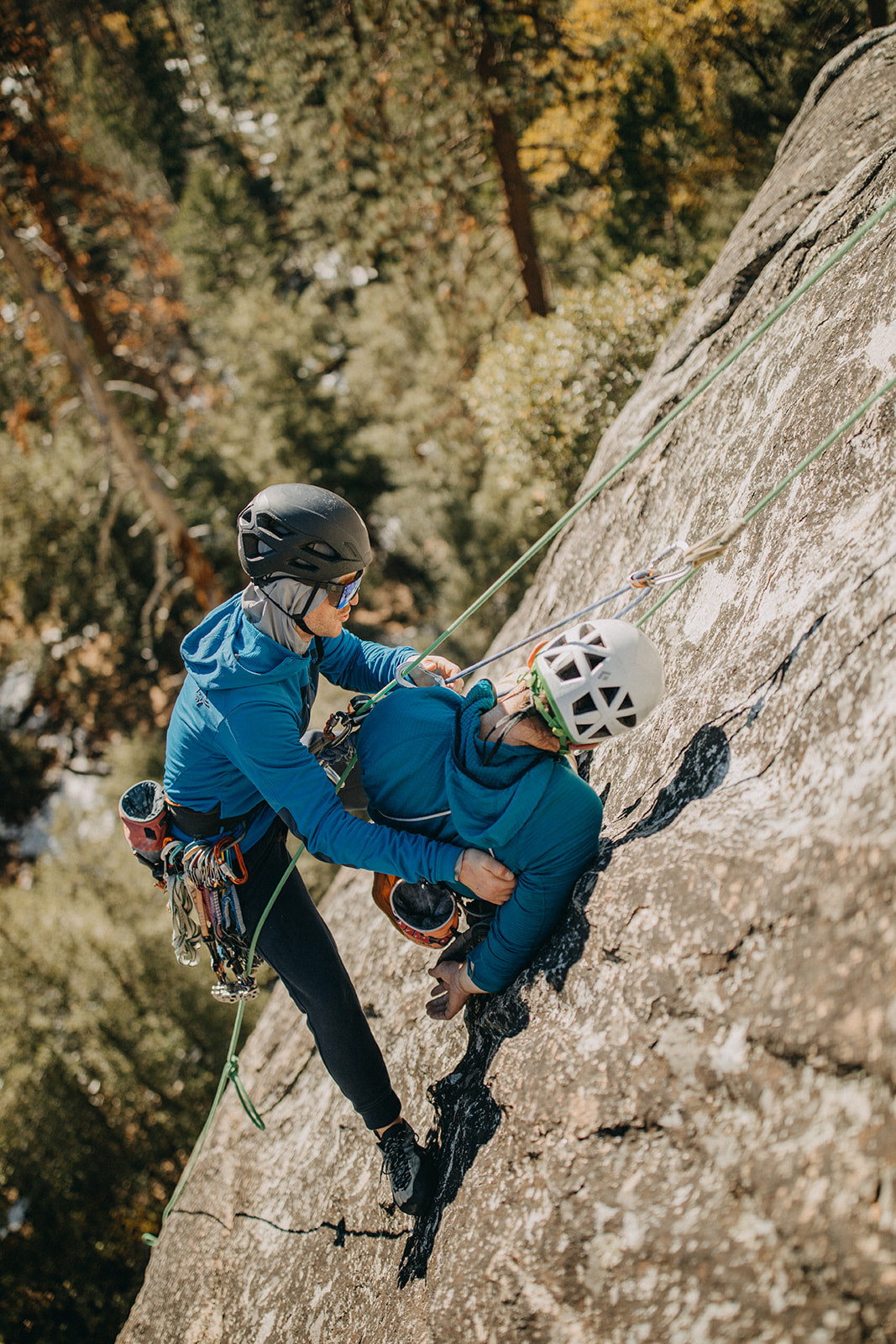
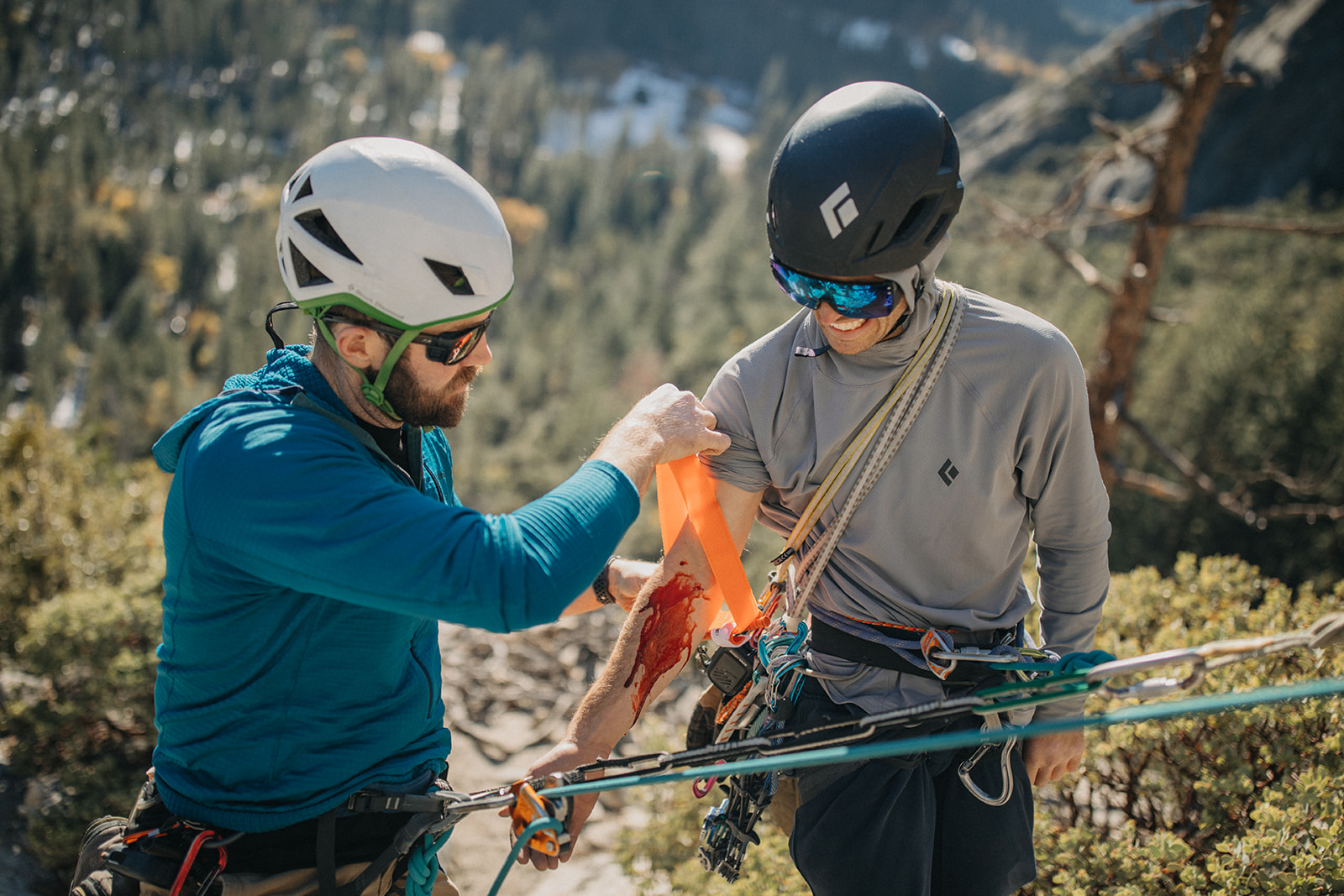
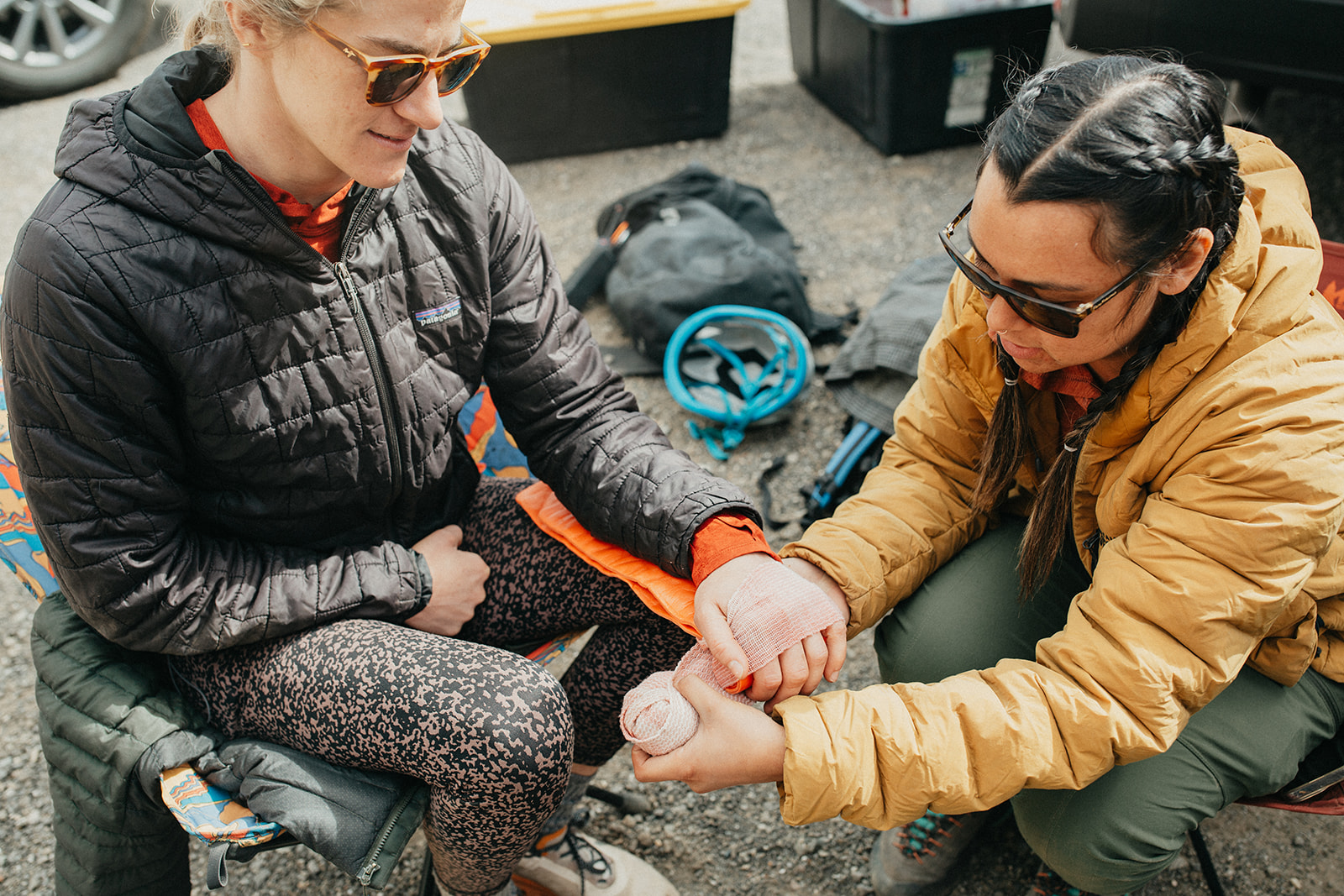
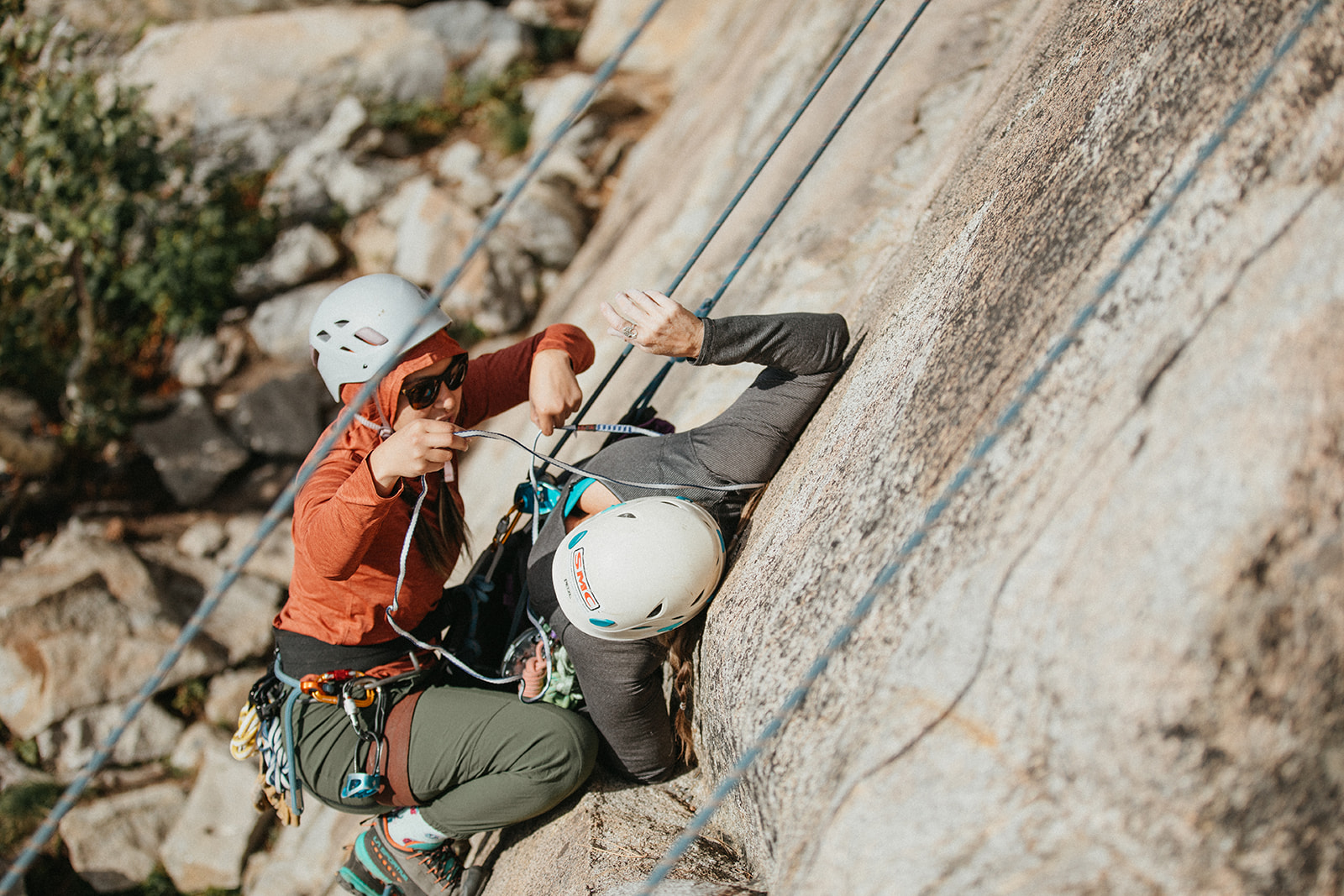
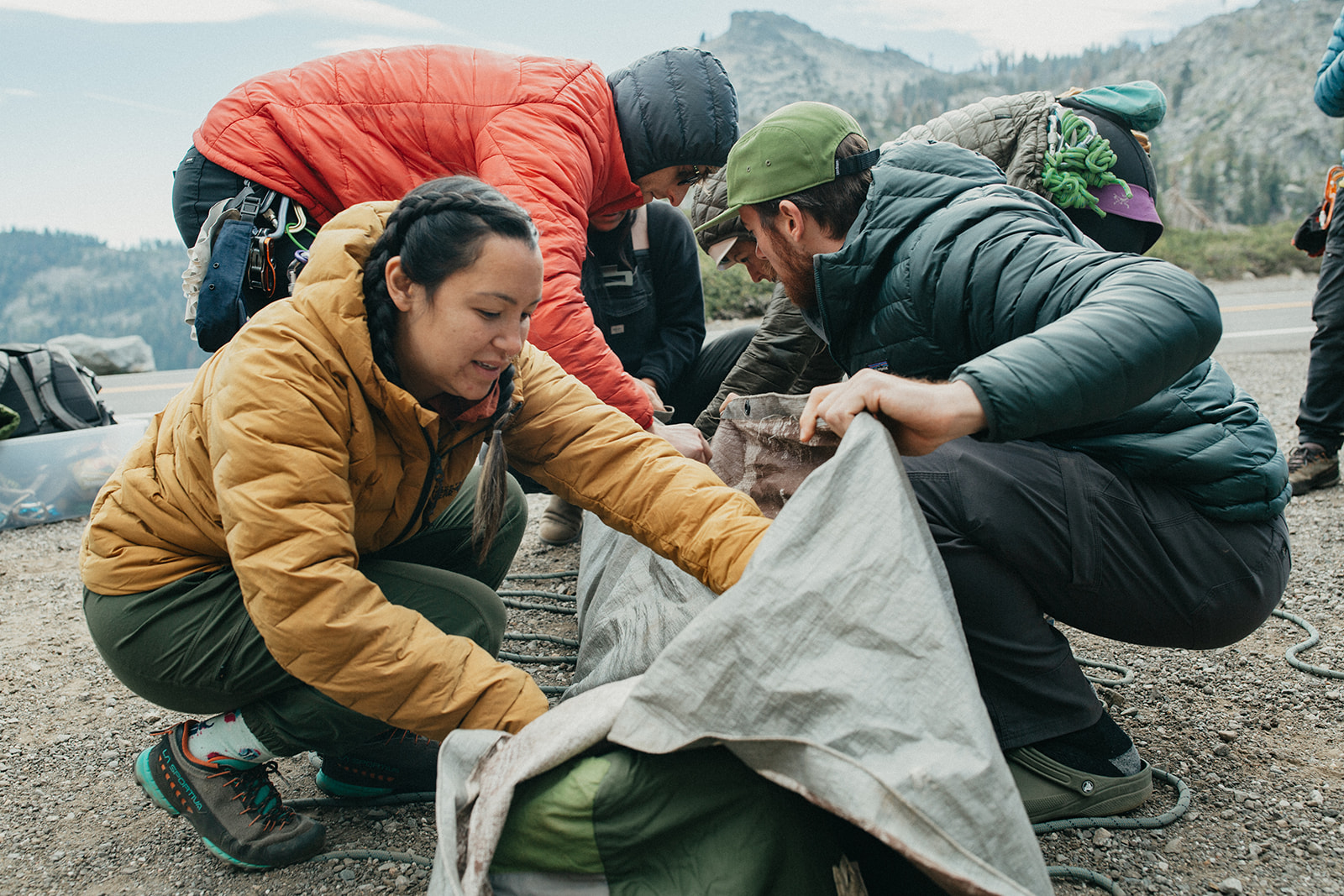
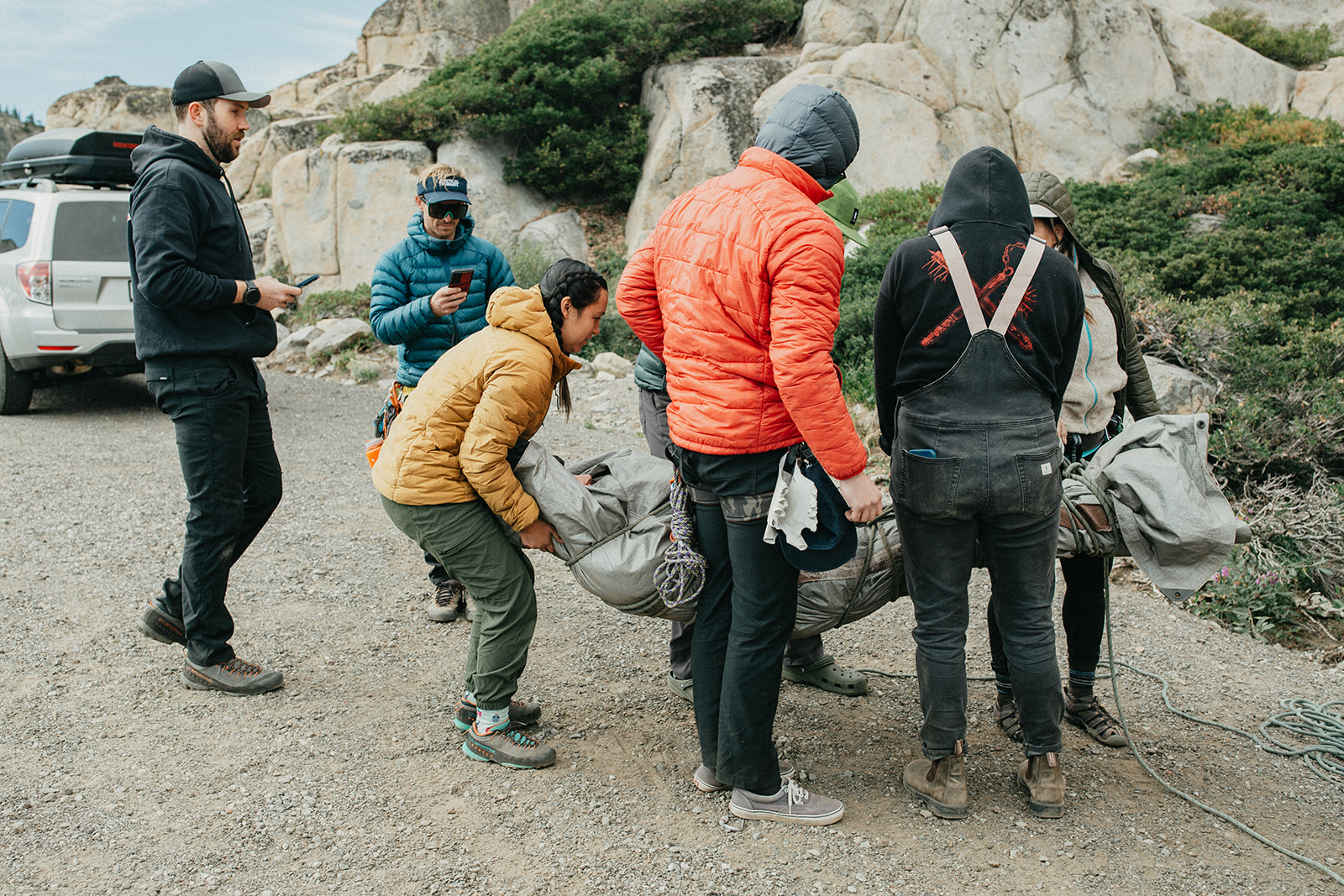
Patient care, climbing systems, and partner assistance come together through hands-on training. These photos show participants practicing during the course.
Swipe to see more photos →
Your role on the team
You don’t have to lead
to make a difference.
The rescue curriculum is built around multi-pitch climbing. Everyone on the rope team can become better prepared to contribute when plans change.
Climbing partners
Leaders and followers who want medical judgment and practical rescue skills for the people they climb with.
Guides & instructors
Climbing professionals ready to bring patient care and rescue systems together through integrated practice.
Clubs & communities
Friends, climbing clubs, and outdoor organizations building a shared approach to partner preparedness.
Prerequisite
Bring baseline
climbing skills.
No previous medical training is required.
- Arrive familiar with belaying, personal climbing equipment, and basic climbing systems.
- Be prepared to participate outdoors and in supervised on-wall practice.
- Discuss your climbing experience, equipment gaps, or participation needs with us before enrolling.
Both leaders and followers are welcome. Contact us if you’re unsure whether your experience fits the course.
Created by Ryan Armstrong + Erik Griffith
Deep expertise.
A shared climbing purpose.
Two educators bringing their strongest disciplines to the same problem: helping climbers care for and rescue a partner in a vertical environment.
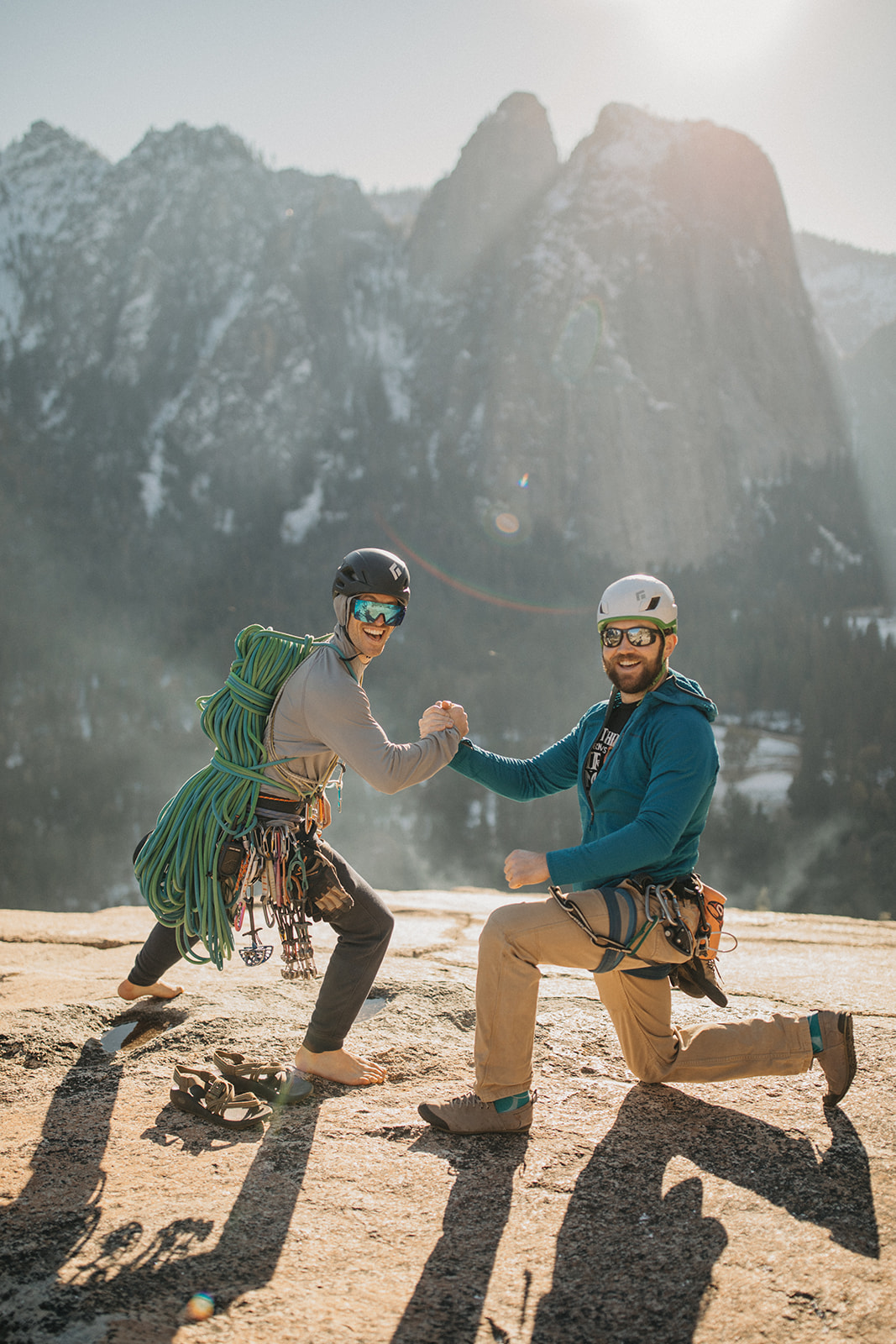
Two disciplines. One shared purpose.
Wilderness medicine + medical education
Ryan Armstrong
EMT, ASP · Director, Mountain Training Network
Ryan brings deep expertise in wilderness medicine, outdoor education, and practical patient care, along with climbing experience that keeps the instruction connected to the realities of being on the wall.
His focus: helping climbers understand medical priorities and make useful decisions with the equipment and access they actually have.
About Mountain Training Network ↗Climbing + improvised rescue
Erik Griffith
AMGA Assistant Rock Guide · AMGA Single Pitch Instructor
Erik brings extensive climbing, guiding, and rescue expertise, including years in Yosemite and repeated ascents of El Capitan. He developed the leader and follower rescue component around practical partner assistance.
His focus: helping climbers understand their systems and use them thoughtfully when a partner cannot continue.
Meet Erik at Vertical Pursuits ↗We created Vertical Medicine because the skills a climbing partner needs belong in the same training experience.
The culture we want to build
Prepared partners.
Stronger climbing culture.
Climbing culture is shaped by what we teach, what we practice, and what we expect from one another.
Our ambition is to make medical and rescue preparedness part of that shared expectation. Choosing a route, checking a system, and preparing to help a partner should belong in the same conversation.
That starts with climbers training alongside the people they trust. It can grow through clubs, guide services, and a community that carries these skills into its own partnerships.
A course built to grow.
Our long-term vision includes preparing qualified educators to teach this integrated approach, bringing it to more climbing communities while preserving the quality of the training.
Talk with us about the future ↗Take the next step
Bring your partner.
Build your capability.
Join an open enrollment course, or bring Vertical Medicine to your own climbing community. Ryan and Erik are planning spring, summer, and fall 2027 sessions. Custom courses are available for groups of 8 or more.
Ask about upcoming courses2027 dates, locations, and pricing will be announced for each session. This link opens an email to MTN.
Before you join
Do I need medical experience?
No previous medical training is required. The Wilderness First Aid portion builds the medical foundation. Baseline climbing skills are a prerequisite for the combined course.
Is this useful if I follow rather than lead?
Yes. The course includes both leader and follower rescue situations. A follower with medical and rescue skills can contribute when the leader needs help.
Can I use it for WFR recertification or EMS continuing education?
Eligible existing WFRs can use the medical portion for recertification, subject to review of their certification. The recent format offered 16 medical continuing-education hours for eligible EMS professionals through Capital City CPR LLC, provider 34-4980. Confirm eligibility for your session before enrolling.
What equipment should I bring?
The recent rescue list included an ATC and GRIGRI with their own locking carabiners, two prusik loops, three additional HMS locking carabiners, 120 cm and 240 cm slings, a cordelette, harness, helmet, and gloves. We’ll provide the session’s final list. Contact us in advance about missing equipment.
Can I learn to teach Vertical Medicine?
Preparing qualified educators is part of our long-term vision. Contact us to share your climbing, rescue, medical, and teaching background and discuss future opportunities.